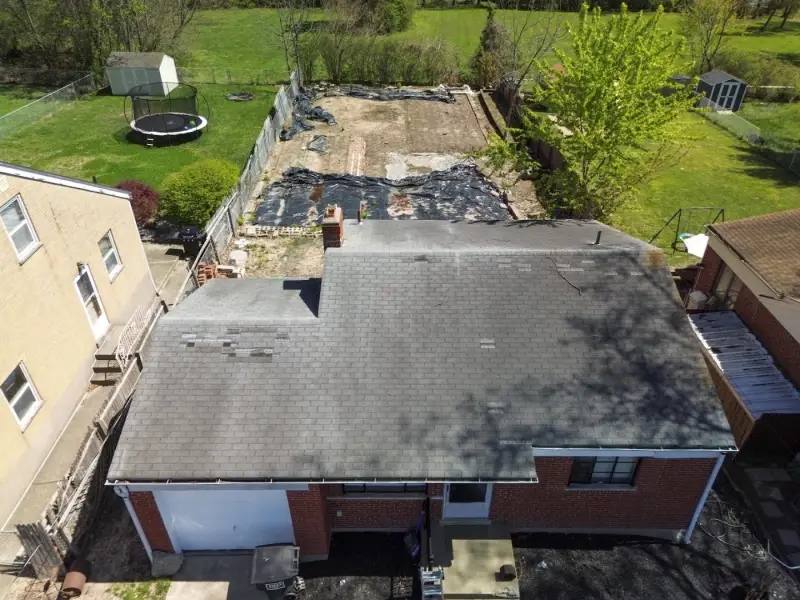
Granule loss, curling shingles, repeat leaks and a soft deck are the signs that matter. What to look for from the ground and the attic, and what each one tells you.
Excellence You Can TrustNow Serving PittsburghFree EstimatesInsurance Claim HelpLifetime Product Warranty24/7 Emergency RoofingRoofs, Siding, Gutters, Windows
Excellence You Can TrustNow Serving PittsburghFree EstimatesInsurance Claim HelpLifetime Product Warranty24/7 Emergency RoofingRoofs, Siding, Gutters, Windows
Excellence You Can TrustNow Serving PittsburghFree EstimatesInsurance Claim HelpLifetime Product Warranty24/7 Emergency RoofingRoofs, Siding, Gutters, Windows
Excellence You Can TrustNow Serving PittsburghFree EstimatesInsurance Claim HelpLifetime Product Warranty24/7 Emergency RoofingRoofs, Siding, Gutters, Windows
RoofingPublished 4 min read
Most roofs do not fail all at once. They wear down slowly, and the early signs are easy to miss from the sidewalk. This guide walks Pittsburgh homeowners through what to look for outside, in the attic and inside the house, so you can tell the difference between normal aging and a roof that is near the end of its useful life.
Start with a safe look from the ground
You do not need to climb a ladder to learn a lot about your roof. In fact, walking on a roof can damage worn shingles and is risky on the steep pitches common in Pittsburgh. A pair of binoculars and a clear afternoon will usually do the job.
Walk around the house and, if you can, look down at the roof from a neighbor's yard or a higher street. On hillside lots, the view from the street above is often better than anything you would see from a ladder.
What to look for on asphalt shingles
Curling or cupping, where shingle edges turn up or the middle dips down.
Cracked or split shingles, often in straight lines across several tabs.
Bald patches where the colored granules have worn away and the dark base shows through.
Missing shingles, especially along ridges, rakes and the edges that face prevailing winds.
A patchwork look, where several rounds of repairs used shingles that no longer match.
Moss or dark streaking that sits in the same areas year after year, usually on shaded slopes under trees.
One or two of these in a small area is often a repair. When you see them across whole slopes, the roof is usually telling you it is wearing out as a system.
Check the gutters and the ground below
Gutters collect what the roof is losing. When you clean them, or have them cleaned, notice what comes out besides leaves.
Heavy piles of shingle granules, which look like coarse dark sand, usually mean the shingles are shedding their protective layer.
Pieces of shingle or bits of flashing in the gutters or on the lawn after a storm.
Gutters pulling away from the fascia, which can point to rot in the boards behind them.
A small amount of granules on a brand-new roof is normal. Steady, heavy loss on an older roof is a different story. If clogged gutters are part of the problem, our guide to gutters and gutter guards covers why that matters for the roof edge.
What the attic can tell you
If you have safe access to your attic, take a flashlight up on a dry day and again after a heavy rain. The attic often shows problems long before they reach a ceiling.
Daylight coming through the roof boards, other than at vents.
Water stains, dark rings or damp spots on the underside of the roof deck or on rafters.
Sagging between rafters, which can mean the decking has been wet for some time.
Frost on nails or the underside of the deck on cold winter mornings, a sign of moisture and ventilation problems.
A musty smell or mold on insulation or wood.
Older Pittsburgh homes often have board decking rather than plywood, and some have had several layers of shingles added over the years. Neither is a problem on its own, but both affect what a replacement involves, so it helps to note what you see.
Signs inside the living space
By the time water shows up indoors, it has usually been getting in for a while. Watch for:
Brown or yellow stains on ceilings, especially on the top floor or near chimneys.
Peeling paint or bubbling plaster near the tops of walls.
Damp spots that appear after snow melts rather than during rain, which often points to ice dams at the eaves.
Higher heating or cooling bills with no other explanation, sometimes linked to wet insulation or poor attic ventilation.
A single stain near a chimney or vent pipe is very often a flashing problem, not a failed roof. That is where the decision gets more nuanced, which we cover in Roof Repair vs. Roof Replacement: How to Decide.
Pittsburgh weather speeds up the wear
Age matters, but so does what a roof has lived through. Pittsburgh winters bring repeated freeze-thaw cycles, heavy wet snow and ice dams along the eaves. Water that gets under a shingle edge freezes, expands and works the opening a little wider each time. Summer thunderstorms add strong straight-line winds and occasional hail.
Mature trees are part of the picture too. Shade keeps some slopes damp, which encourages moss, and overhanging limbs scrape shingles and drop debris into valleys. Two roofs of the same age can be in very different shape depending on how much shade, wind and runoff they deal with.
If you are not sure how old your roof is, check closing documents, ask previous owners or neighbors on the same street, or look for a date written in the attic. Age alone does not decide anything, but it puts the other signs in context.
When to get a professional opinion
If you are seeing several of the signs above, or one sign that keeps coming back, it is worth having someone look at the roof up close. A good inspection should tell you plainly whether the roof can be repaired, whether it has a few years left with some maintenance, or whether replacement makes more sense.
Straight A offers free, no-obligation roof inspections in Pittsburgh. We photograph what we find, explain it in plain terms and, if work is needed, give you a detailed written quote, line by line. If storm damage is part of the picture, we can also help with the insurance claim. You can learn more about roof inspections and roof replacement, or contact us to book a visit.
Freeze-thaw cycles, ice dams, wet snow and a yard full of leaves all test a roof between November and March. Here is what to check this fall, and what to leave to a roofer.
Stay safe, stop the water, document everything and get the roof inspected before you accept a quick patch. A step-by-step guide for the hours and days after a storm.