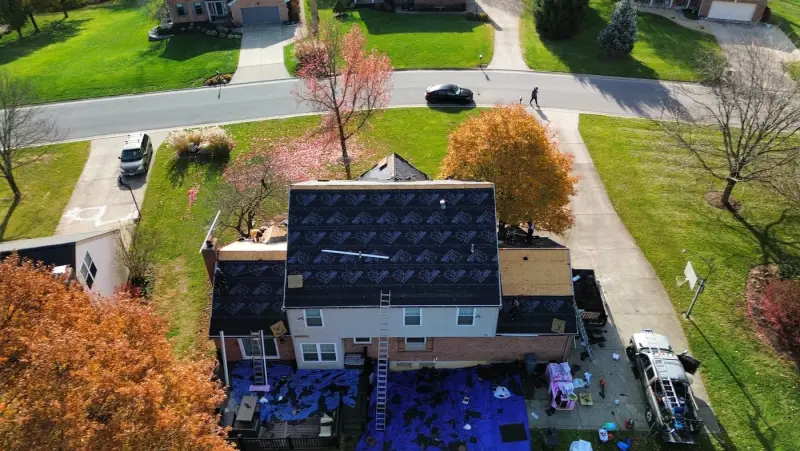
Stay safe, stop the water, document everything and get the roof inspected before you accept a quick patch. A step-by-step guide for the hours and days after a storm.
Excellence You Can TrustNow Serving PittsburghFree EstimatesInsurance Claim HelpLifetime Product Warranty24/7 Emergency RoofingRoofs, Siding, Gutters, Windows
Excellence You Can TrustNow Serving PittsburghFree EstimatesInsurance Claim HelpLifetime Product Warranty24/7 Emergency RoofingRoofs, Siding, Gutters, Windows
Excellence You Can TrustNow Serving PittsburghFree EstimatesInsurance Claim HelpLifetime Product Warranty24/7 Emergency RoofingRoofs, Siding, Gutters, Windows
Excellence You Can TrustNow Serving PittsburghFree EstimatesInsurance Claim HelpLifetime Product Warranty24/7 Emergency RoofingRoofs, Siding, Gutters, Windows
Storm DamagePublished 4 min read
A strong storm can leave you with missing shingles, a limb on the roof or water coming through a ceiling. In the moment it is hard to know what to do first. This step-by-step guide covers what Pittsburgh homeowners can do to stay safe, limit further damage and set up an insurance claim on solid footing.
Step 1: Put safety first
Before thinking about the roof, think about people. Stay away from downed power lines and report them to the utility. If a tree or large limb has hit the house, keep everyone out of the rooms beneath it until someone qualified has checked the structure.
Do not climb onto the roof after a storm. Wet, damaged shingles are slippery and steep Pittsburgh roofs are dangerous even in good weather.
If water is coming through a ceiling near light fixtures, turn off power to that area at the breaker if you can do so safely.
A sagging, bulging ceiling may be holding water. Keep clear of it and put a bucket underneath.
If the damage makes part of the house unsafe or unlivable, let your insurer know right away. Many policies include help with temporary living costs, and your agent can explain what applies to you.
Step 2: Limit the damage you can safely control
Most insurance policies expect homeowners to take reasonable steps to prevent further damage. Indoors, that usually means:
Catching drips with buckets and moving furniture, rugs and electronics out of the way.
Laying down towels or plastic sheeting to protect floors.
Keeping receipts for anything you buy to deal with the damage.
Outside, an active leak usually needs a tarp properly secured over the damaged area. This is a job for a roofer with the right equipment, not a ladder in the rain. Straight A offers 24/7 emergency roofing to tarp roofs and stop active leaks, then follow up with the permanent repair.
Step 3: Document everything
Good records make the insurance process much smoother. Start as soon as it is safe, and before anything is cleaned up or thrown away.
Take photos and short videos of the outside of the house from every side, including shingles in the yard, dented gutters or downspouts, damaged siding and fallen limbs.
Note the date and time of the storm and when you first noticed the damage.
Keep any shingle pieces or debris that came off the roof until the adjuster has seen them, if you can.
Hail damage in particular can be hard to see from the ground. Bruised shingles, cracked vents and dents in soft metal are often only obvious up close, which is one reason a professional inspection matters.
Step 4: Get a professional inspection
Even if the roof looks fine from the yard, a storm with high winds or hail is a good reason to have it checked. Wind can lift shingles and break their seal without tearing them off, and those shingles may blow off in the next storm. Water can also find its way under damaged areas for weeks before a stain appears inside.
Storm damage that is easy to miss
Shingles that are still in place but have lifted, creased or lost their seal in high wind.
Small bruises or soft spots from hail, where granules have been knocked loose.
Cracked or dented roof vents, pipe boots and flashing.
Scrapes and punctures where a limb brushed or landed on the roof, even if it rolled off.
Gutters pulled loose or bent, which can send water behind the fascia and into walls.
In Pittsburgh, older roofs with several rounds of patching, porch roofs and low-slope rear sections are worth special attention, since damage there is often hidden from the street.
A thorough inspection should cover the shingles, flashing, vents, gutters and, where possible, the attic. You should get photos and a plain explanation of what was damaged by the storm and what is ordinary wear. That distinction matters to your insurer.
Step 5: Start the insurance claim
Your policy decides what is covered, not your roofer, so it is worth understanding the basics before the adjuster arrives. Read your policy or call your agent to understand your deductible and any deadlines for reporting damage. Then file the claim and ask when an adjuster will visit.
Give the insurer your photos and notes.
If possible, have your roofer present when the adjuster inspects the roof, so nothing is overlooked.
Ask for the adjuster's findings in writing and compare them with your roofer's inspection.
If you believe damage was missed, you can ask questions and provide more documentation.
Keep a simple claim log: the claim number, the names of everyone you speak with, the date of each call and what was agreed. It sounds tedious, but it saves a lot of confusion if questions come up weeks later. Hold on to copies of every estimate, invoice and email.
Be careful with anyone who knocks on your door right after a storm offering to handle everything immediately. Take your time, check who you are working with, and get a written quote before you sign. A reputable roofer will be glad to show you their insurance and explain the work in detail.
How Straight A helps after a storm
Straight A handles storm damage repair for wind, hail, thunderstorms and fallen limbs across Pittsburgh. We start with a free inspection, document the damage with photos and help you report it. We then work with your insurance company and adjuster from start to finish. If we think the first assessment missed damage, we will tell you and help make the case.
Freeze-thaw cycles, ice dams, wet snow and a yard full of leaves all test a roof between November and March. Here is what to check this fall, and what to leave to a roofer.
Granule loss, curling shingles, repeat leaks and a soft deck are the signs that matter. What to look for from the ground and the attic, and what each one tells you.
A few lifted shingles can often be repaired. Widespread wear usually means a new roof is the better value. How to weigh age, damage, cost and your plans for the house.