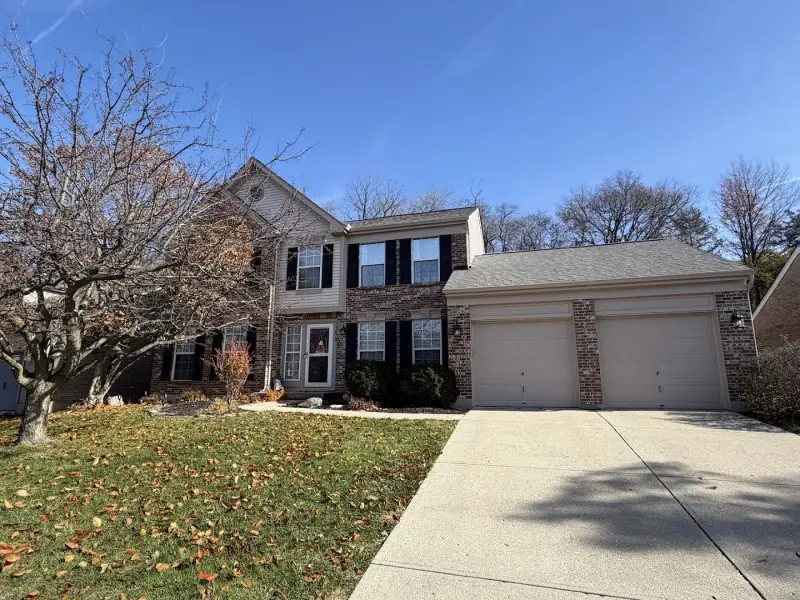
Warped panels, soft spots, moisture inside and constant repainting are signs siding has done its job. How to tell, and what vinyl and board and batten offer.
Excellence You Can TrustNow Serving PittsburghFree EstimatesInsurance Claim HelpLifetime Product Warranty24/7 Emergency RoofingRoofs, Siding, Gutters, Windows
Excellence You Can TrustNow Serving PittsburghFree EstimatesInsurance Claim HelpLifetime Product Warranty24/7 Emergency RoofingRoofs, Siding, Gutters, Windows
Excellence You Can TrustNow Serving PittsburghFree EstimatesInsurance Claim HelpLifetime Product Warranty24/7 Emergency RoofingRoofs, Siding, Gutters, Windows
Excellence You Can TrustNow Serving PittsburghFree EstimatesInsurance Claim HelpLifetime Product Warranty24/7 Emergency RoofingRoofs, Siding, Gutters, Windows
SidingPublished 4 min read
Siding is the main barrier between the weather and the structure of your house. In Pittsburgh, it takes rain, wet snow, freeze-thaw cycles and summer storms year after year. This guide covers the signs that siding is near the end of its useful life, when a repair is enough, and what to think about when choosing new siding.
What siding is supposed to do
Siding does more than make a house look finished. Along with the weather barrier underneath it, it keeps water out of the wall framing and sheathing, helps protect insulation, and shields the structure from wind and sun.
Siding is also part of a system. It works together with the trim, the flashing around windows and doors, the roof edge and the gutters above it. A problem in any one of those pieces can show up as damage on the siding, so it helps to look at the whole wall, not just the panels.
When siding starts to fail, the visible damage is often the smaller problem. The bigger concern is moisture getting behind it, where it can rot wood, encourage mold and go unnoticed for a long time.
Warning signs your siding may need replacing
Walk around the outside of your home on a clear day and look closely at each wall. These are the signs worth paying attention to:
Warping, buckling or bulging panels. This can point to moisture behind the siding or to panels that were nailed too tightly and cannot move as temperatures change.
Cracks, holes or broken pieces. Hail, storms, fallen limbs and even a stray baseball can open a path for water.
Rot or soft spots. On wood siding and trim, press gently with a screwdriver. If it sinks in easily, the wood is likely rotting.
Loose or missing panels, often after a strong windstorm.
Fading that is uneven or severe, chalky residue, or paint that will not stay on no matter how often you repaint.
Mold, mildew or algae that keeps coming back, especially on shaded walls.
Peeling paint or wallpaper, or water stains on interior walls along exterior sides of the house.
Gaps around windows, doors and corners where caulk and trim have pulled away.
A single damaged area does not always mean the whole house needs new siding. When problems show up on several walls, or you keep paying to repaint and patch the same spots, replacement often becomes the more sensible option.
Pittsburgh conditions that are hard on siding
A few local factors tend to speed up siding wear:
Freeze-thaw cycles. Water that gets into cracks freezes, expands and widens them, so small openings grow over a single winter.
Shaded, damp walls. Many homes sit close to neighbors, on hillsides or under large trees, which keeps some walls wet and slow to dry.
Overflowing gutters. When gutters clog, water often runs straight down the face of the house. If that sounds familiar, read our guide to gutters and gutter guards.
Summer storms. Strong winds and occasional hail can crack, loosen or strip panels. After a storm, it is worth walking around the house to check for loose or cracked panels.
Repair or replace?
Repair is usually reasonable when the damage is limited to a small area, the rest of the siding is sound, and matching replacement pieces are available. Matching can be the hard part. Older siding often fades, and an exact color match may no longer exist, so a patch can stand out.
Replacement tends to make more sense when:
Damage or wear is spread across multiple sides of the house.
You suspect moisture behind the siding and want to inspect and fix the wall underneath.
The existing siding needs constant painting or patching.
You are already planning other exterior work, such as new windows or a new roof, and want everything finished together.
Replacing siding is also a good time to deal with the details around it, like trim, flashing at windows and doors, and the transitions where siding meets the roof. If you are also weighing new windows, see our article on signs it's time to replace your windows.
Vinyl siding and board and batten: how they compare
Vinyl siding
Vinyl is a common choice for homeowners who want a clean look with low upkeep. It does not need painting, comes in a wide range of colors and profiles, and usually only needs an occasional wash to stay looking good. It is a practical option for the upper floors of brick homes, dormers, additions and full-house projects alike.
Board and batten
Board and batten uses wide vertical boards with narrow strips, called battens, covering the seams. It gives a house a strong vertical line and a more custom look. Many homeowners use it on the whole house, while others use it as an accent on gables, dormers or an entry area alongside other siding.
Questions to ask yourself
How much maintenance do you want to do over the years?
Which walls get the most weather, shade or moisture?
Do you want a single look across the house, or an accent on certain areas?
How will the color and style work with your roof, trim, brick or stone?
How Straight A can help
Straight A Exterior Renovations installs vinyl siding and board and batten siding for Pittsburgh homeowners. We start with a free inspection, look at the siding and the areas around it, and tell you honestly whether a repair or full replacement makes more sense.
You choose the material and color, and you receive a detailed, line-by-line written quote before anything begins. Learn more on our siding page or contact us to set up a free estimate.
Freeze-thaw cycles, ice dams, wet snow and a yard full of leaves all test a roof between November and March. Here is what to check this fall, and what to leave to a roofer.
Stay safe, stop the water, document everything and get the roof inspected before you accept a quick patch. A step-by-step guide for the hours and days after a storm.
Granule loss, curling shingles, repeat leaks and a soft deck are the signs that matter. What to look for from the ground and the attic, and what each one tells you.